Discover the Best Aviation Apps for Pilots
- Wingman Log

- Jan 27
- 4 min read
Flying an aircraft requires precision, knowledge, and the right set of tools. In today’s digital age, pilots have access to a variety of best aviation tools that enhance safety, efficiency, and convenience. From pre-flight planning to in-flight navigation and post-flight logging, these tools have transformed the way pilots operate. This article explores some of the top aviation apps and tools that every pilot should consider integrating into their routine.
Why Pilots Need the Best Aviation Tools
The aviation industry is highly regulated and demands accuracy in every aspect of flight. Traditional methods like paper charts and manual logs are still in use, but digital tools offer significant advantages:
Real-time weather updates help pilots make informed decisions.
Flight planning apps simplify route creation and fuel calculations.
Navigation aids provide precise positioning and situational awareness.
Logbook apps streamline record-keeping and compliance.
Using the best aviation tools can reduce workload, improve safety margins, and enhance overall flight experience. Whether you are a student pilot or an experienced aviator, leveraging technology is essential in modern aviation.

Exploring the Best Aviation Tools Available Today
There is a wide range of aviation tools designed to meet different pilot needs. Here are some categories and examples of the best aviation tools that stand out:
Flight Planning and Navigation
ForeFlight: A comprehensive app offering weather, charts, flight planning, and navigation features. It supports IFR and VFR flights and integrates with many avionics systems.
Garmin Pilot: Known for its user-friendly interface, Garmin Pilot provides detailed maps, weather overlays, and flight planning tools.
SkyDemon: Popular in Europe, this app offers intuitive route planning and real-time weather updates.
Weather and Traffic Awareness
ADS-B Receivers: Devices like Stratus or ForeFlight’s own hardware provide live traffic and weather data directly to your tablet.
Windy: A weather app that offers detailed wind, precipitation, and temperature maps, useful for pre-flight planning.
Logbooks and Record Keeping
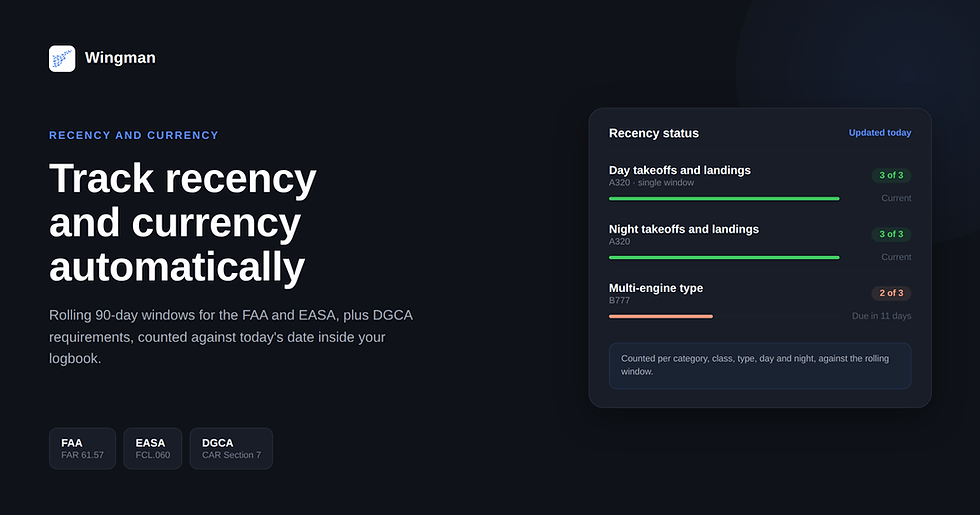
Wingman Logbook: A digital logbook app that simplifies tracking flight hours, endorsements, and currency. It offers easy data entry and secure cloud backup.
LogTen Pro: A professional-grade logbook app with advanced reporting and compliance features.
Training and Reference
Sporty’s Pilot Training: Offers video lessons, quizzes, and interactive tools for student pilots.
FAA Mobile: Provides access to FAA handbooks, regulations, and NOTAMs.
Using a combination of these tools can help pilots stay organized, informed, and compliant with aviation regulations.

What Apps Do Most Pilots Use?
While preferences vary, some apps have become industry standards due to their reliability and features. Here are the most commonly used apps among pilots:
ForeFlight: Often considered the gold standard, ForeFlight is widely used by private and commercial pilots alike. Its all-in-one platform covers everything from weather to filing flight plans.
Garmin Pilot: Favored by pilots who use Garmin avionics, this app offers seamless integration and robust features.
Wingman Logbook: Many pilots prefer this app for logging flights because of its simplicity and cloud synchronization.
SkyDemon: Especially popular in Europe, it provides excellent route planning and weather tools.
Stratus ADS-B Receiver: While not an app, this device pairs with apps like ForeFlight to provide live traffic and weather.
These apps are praised for their user-friendly interfaces, accuracy, and continuous updates. Pilots often combine several apps to cover all aspects of their flying needs.

How to Choose the Right Aviation Apps for You
Selecting the best aviation tools depends on your flying style, aircraft type, and specific needs. Here are some tips to help you decide:
Identify your priorities: Do you need better weather info, easier flight planning, or a reliable logbook?
Check compatibility: Ensure the app works with your devices and avionics.
Consider cost: Some apps require subscriptions, so evaluate the value they provide.
Look for user reviews: Feedback from other pilots can highlight strengths and weaknesses.
Test free versions: Many apps offer trial periods or free tiers to explore features.
For example, if you fly mostly VFR and want simple weather updates, an app like Windy might suffice. For IFR pilots, ForeFlight or Garmin Pilot offer more comprehensive tools. If logging is your main concern, Wingman Logbook is a great choice.
Tips for Maximizing the Use of Aviation Apps
To get the most out of your aviation apps, consider these practical recommendations:
Keep apps updated: Developers frequently release updates with new features and bug fixes.
Practice using apps on the ground: Familiarize yourself with the interface before flying.
Use apps as supplements: Always cross-check digital data with official sources and instruments.
Backup your data: Use cloud services to avoid losing important flight logs or plans.
Stay aware of battery life: Carry portable chargers or backup devices to ensure continuous access.
By integrating these habits, you can enhance your flight safety and efficiency.
Embracing Technology for Safer and Smarter Flying
The aviation landscape is evolving rapidly, and pilots who embrace technology gain a significant advantage. The right combination of aviation apps and tools can transform your flying experience, making it safer, more efficient, and enjoyable. Whether you are planning your next cross-country flight or logging your hours, these digital resources are indispensable in today’s cockpit.
Explore the options, try different apps, and find the best aviation tools that fit your flying style. The sky is the limit when you have the right technology at your fingertips.


Comments